

HOLICARE Clinical Trials Move into Recruitment Phase:
Advancing Diagnostics Innovation in Sub-Saharan Africa

The HOLICARE project has reached a critical milestone with the launch of the clinical trial in three African countries Senegal, Uganda, and Ethiopia. This marks the transition from protocol development to real-world validation of new diagnostic technologies for Respiratory Tract Infections (RTIs). This progress reflects months of collaborative effort to lay the necessary regulatory, ethical, and operational groundwork across all participating sites.
Why This Matters?
The HOLICARE project has reached a critical milestone with the launch of the clinical trial in three African countries Senegal, Uganda, and Ethiopia. This marks the transition from protocol development to real-world validation of new diagnostic technologies for Respiratory Tract Infections (RTIs). This progress reflects months of collaborative effort to lay the necessary regulatory, ethical, and operational groundwork across all participating sites.
Sub-Saharan Africa continues to face disproportionate health challenges due to a combination of limited access to diagnostics, infrastructure deficits, and a high burden of both communicable and non-communicable diseases. RTIs remain one of the leading causes of morbidity and mortality in the region where the lack of timely, accurate and affordable diagnostics often leads to inappropriate antibiotic use, compounding the threat of antimicrobial resistance.
The HOLICARE project’s clinical trial aims to address these gaps by evaluating innovative point-of-care tools, including the Multi-LFT and the POC-instrument, for their diagnostic, monitoring, and surveillance performance. Tested under real-world conditions, these tools have the potential to transform how RTIs are detected and managed at the community level.
The HOLICARE project’s clinical trial will enable the consortium partners to:
- Validate the performance of these tools in terms of diagnostic accuracy, monitoring utility, and public health surveillance.
- Strengthen local capacity through the development of biobanking repositories and improved laboratory infrastructure.
- Integrate user feedback from healthcare providers and patients to refine the tools and ensure they are fit for purpose.

From Ethics to Execution
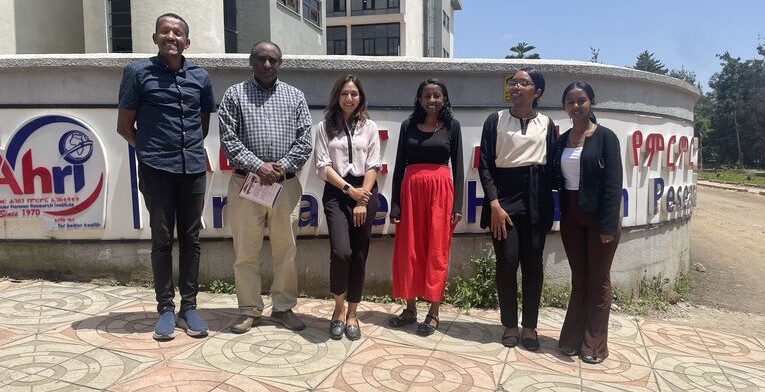
In 2024, the clinical trial protocol was finalized and harmonized across Ethiopia, Senegal, and Uganda, ensuring full alignment with International Council of Harmonisation Good Clinical Practice (ICH-GCP) standards. Ethical approvals were successfully secured from the relevant national authorities in each country. Ongoing compliance and transparency are maintained through regular reporting by our partners: the Armauer Hansen Research Institute (AHRI) in Ethiopia, Institut Pasteur de Dakar (IPD) in Senegal and Epicenter at Mbarara University of Science and Technology (MUST) in Uganda.
The team also designed a custom data management solution using REDCap, a secure and versatile tool for electronic data capture. Led by Makerere University and GADx, the setup allows for real-time data entry, user access control, audit tracking, and image storage for diagnostic test results. In close collaboration with local partners, GADx is leading clinical trial implementation and data oversight, ensuring cohesion across all sites.
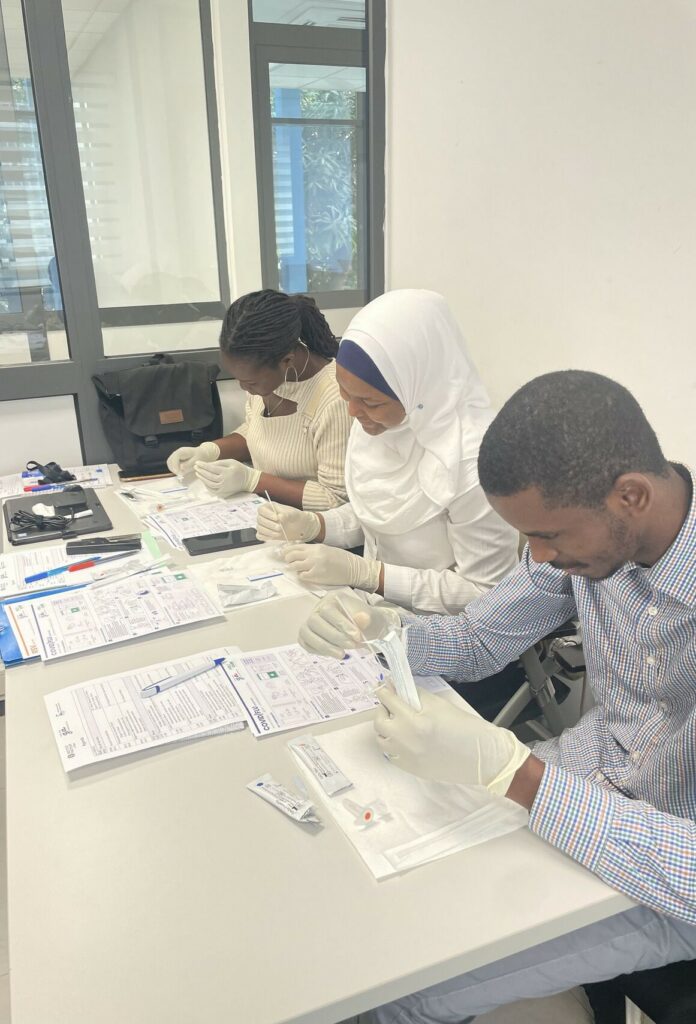
With site initiation visits completed and training provided to research staff across Ethiopia, Uganda, and Senegal, the trial has now transitioned to active recruitment. This marks the start of real-world testing, where the performance of innovative diagnostic tools will be evaluated under routine clinical and public health settings.
Building Local Solutions for Global Challenges
This phase of the HOLICARE project represents more than just technical validation. By generating context-specific data, empowering local researchers, and prioritizing user-centered design, HOLICARE contributes to building a more resilient and self-sufficient health innovation ecosystem in sub-Saharan Africa.
As recruitment progresses, the results of these trials will not only inform improvements to the diagnostic tools but will also support regional efforts to enhance disease surveillance, rational antibiotic use, and pandemic preparedness.