
Dakar, Senegal

International Conference on Diagnostic Innovation in Africa

The Institut Pasteur de Dakar (IPD) will host the 2026 HoliCare Conference, a landmark event bringing together key actors shaping the future of diagnostics in Africa.
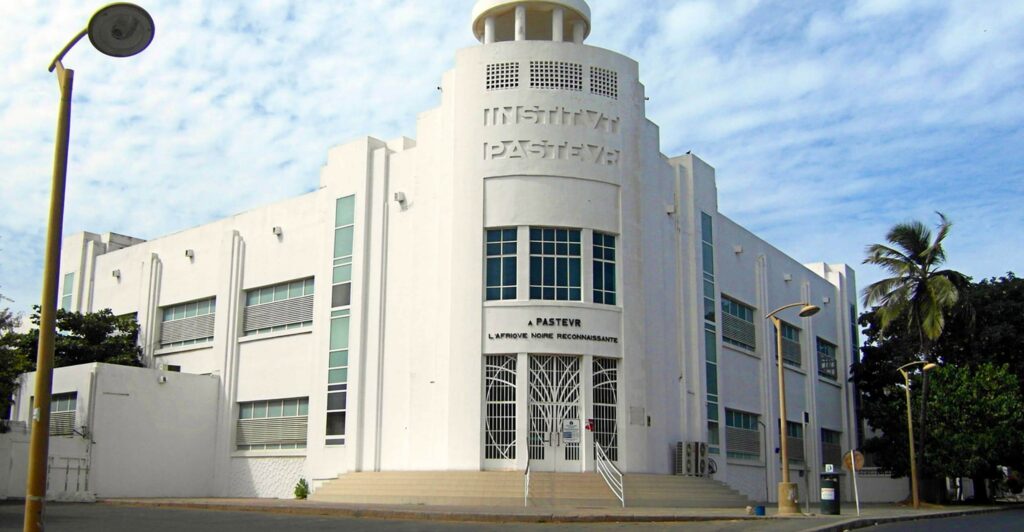
Co-organised with leading EU-funded projects in the field of diagnostics, the International Conference on Diagnostic Innovation in Africa aims to accelerate collaboration, foster innovation uptake, and create meaningful connections across the ecosystem.
Over four days, the conference will gather researchers, policymakers, industry leaders, institutional partners, and field practitioners to exchange insights, showcase cutting-edge innovations, and explore concrete pathways to strengthen diagnostic capacities across the continent.
This unique event will highlight collaborative efforts across four European-funded projects — including DIDIDA, UTI-DIAG, and PvSeroRDT — and offer a dynamic platform to align strategies, share best practices, and drive impactful, sustainable solutions tailored to African healthcare challenges.
Join us in Dakar to be part of the conversations shaping the future of diagnostic innovation in Africa.
Program
Day 1 – Diagnostics in the Health Ecosystem: From User-Centric Design to Cost- Effectiveness
08:30 – 09:00 | Registration & Welcome Coffee
09:00 – 09:30 | Opening
- Welcome remarks – Institut Pasteur de Dakar
- Ministry of Health address
- Remarks from partners & donors (EDCTP3, EU)
09:35 – 10:35 | Session I – Project Presentations (Part 1)
Format: 20 min presentation + 10 min Q&A per project
- DIDIDA
- Holicare
10:35 – 11:00 | Coffee Break
11:05 – 12:05 | Session II – Project Presentations (Part 2)
- PVSeroRDT
- UTI-Diag
12:05 – 14:00 | Lunch & Networking
14:00 – 15:15 | Session III – Priority Diseases
Focus: Diagnostics in Key Infectious Diseases
Format: Short expert talks + moderated discussion
- Urinary tract infections
- Respiratory infections & emerging pathogens
- Vector-borne & neglected tropical diseases
15:15 – 15:30 | Coffee Break
15:30 – 16:15 | Session IV – Cross-cutting Innovations
Focus: Transformative Diagnostic Approaches
Format: Keynote presentations + discussion
- Genomic surveillance & AMR monitoring
- Digital health & data integration
16:15 – 17:00 | Session V – High-Level Panel
Theme:
Scaling diagnostic innovation in Africa: from development to implementation and cost-
effectiveness
Focus areas:
- Access & scale-up challenges
- Integration into health systems
- Cost-effectiveness & sustainability
- Role of regional institutions
Participants:
Experts, Ministry of Health, donors, project PIs
17:00 – 17:15 | Day 1 Wrap-up
• Key messages & summary
Day 2 – Student Day & Capacity Building
09:00 – 10:30 | Session I – Key Lecture
Theme:
The role of diagnostics in the health ecosystem
10:30 – 12:30 | Session II – Posters & Mini-Orals
Focus: Student Research Presentations
- Poster presentations
- Short oral presentations
- Selection of top 3 posters
12:30 – 14:00 | Lunch Break
14:00 – 17:00 | Session III – Practical Workshops
Format: Rotating parallel sessions
- Microscopy (e.g., malaria diagnosis)
- Molecular techniques (extraction, PCR, LAMP/RPA)
- RDT use & evaluation (biobanking, reading, reporting).
Day 3 - HOLICARE Project : Final Consortium Meeting & Project Closure
08:45 – 09:00 | Arrival of participants and registration
09 :00 – 09 :20 | Opening Session
- Welcome remarks – Host Institution
- Remarks by Project Coordinator
- Objectives of the final meeting
- Overview of key milestones of the HOLICARE project
09:20 – 10:45 | Session I – Scientific Results
Focus: Diagnostic Development & Clinical Evaluation
Format: Synthesis presentations + brief discussion
Key topics:
- Diagnostic technologies developed
- Laboratory validation of assays
- Clinical evaluation across study sites
- Diagnostic accuracy & comparative performance
- Key scientific outputs and/or perspectives (publications, datasets, innovations)
10:45 – 11:00 | Coffee Break & Group Photo
11:00 – 12:30 | Session II – Impact & Lessons Learned
Part 1: Project achievements (presentations)
- Milestones and deliverables achieved
- Capacity strengthening & infrastructure development
- Consortium collaboration and coordination
Part 2: Roundtable discussion
Focus areas:
- Operational challenges during clinical evaluations
- Data quality & harmonization across sites
- Regulatory and ethical considerations
- Best practices for future diagnostic studies
12:30 – 13:30 | Lunch Break
13:30 – 15:00 | Session III – Translation, Scale-up & Future Perspectives
Focus: From Research to Public Health Impact
Discussion topics:
- Pathways for diagnostic implementation
- Integration into national health systems
- Regulatory approval opportunities
- Contribution to public health policies
Future outlook:
- Follow-up research opportunities
- Synergies with EDCTP and EU programmes
- Scaling-up diagnostic innovations
15:00 – 15:15 | Coffee Break
15:15 – 16:15 | Session IV – Strategic Roundtable:
Theme: HOLICARE Legacy
Format: Moderated roundtable with partners & stakeholders
Key questions:
- What are the major scientific contributions of HOLICARE?
- How can validated diagnostic tools be advanced and deployed
- What are the next research priorities?
16:15 – 17:00 | Closing Session
- Summary of key conclusions & action points
- Next steps for final reporting to the donor
- Closing remarks (Coordinator & Host Institution)
- Acknowledgements
Day 4 - UTI-Diag Project: First Annual Consortium Meeting (Year 1 Review)
08:45 – 09:00 | Registration & Welcome Coffee
09:00 – 09:20 | Opening
- Welcome remarks – Host Institution
- Remarks by Project Coordinator
- Meeting objectives
- Overview of Year 1 progress
09:20 – 10:45 | Session I – Project Progress
Focus: Work Packages & Scientific Activities
Format: WP presentations (15 min + 5 min discussion)
- Activities implemented during Year 1
- Milestones & deliverables achieved
- Preliminary scientific results
- Challenges & mitigation measures
10:45 – 11:00 | Coffee Break
11:00 – 12:30 | Session II – Clinical Implementation
Focus: UTI Diagnostic Studies Across Sites
- Study protocol implementation
- Patient recruitment & enrolment
- Sample collection, transport & biobanking
- Laboratory testing & procedures
- Operational challenges in clinical settings
12:30 – 13:30 | Lunch Break
13:30 – 14:30 | Session III – Data, Ethics & Quality
Focus: Cross-cutting components
- Ethics approvals & regulatory status
- Data management & quality assurance
- Standardization of laboratory procedures
- Monitoring & quality control
14:30 – 15:15 | Session IV – Coordination & Management
Focus: Consortium Governance
- Project coordination mechanisms
- Internal communication
- Collaboration between clinical & lab teams
- Engagement with stakeholders & health authorities
15:15 – 15:30 | Coffee Break
15:30 – 16:30 | Session V – Year 2 Planning
Focus: Strategic Priorities
Format: Roundtable discussion
- Priorities for Year 2
- Strengthening recruitment & implementation
- Scientific outputs & publication strategy
- Opportunities for collaboration
16:30 – 17:00 | Closing
- Key conclusions & action points
- Validation of next milestones & deliverables
- Closing remarks – Project Coordinator